Research from Kwantlen Polytechnic University (KPU) is taking a deeper look into Indigenous responses to colonialism by focusing on Indigenous sexuality.
Virago Nation, an all-Indigenous burlesque collective, has partnered with KPU researcher and English instructor Dr. Jennifer Hardwick to explore the intersection of Indigenous sexuality, performance art and decolonial research methods. The partnership aims to expand and deepen the conversation surrounding Indigenous identities, sexualities and gender within both academic and community contexts.
“For many years, Indigenous women and Two-Spirit folks have been portrayed in colonial and harmful ways,” explains Hardwick. “Virago Nation’s work directly challenges these stereotypes by celebrating Indigenous sexuality grounded in agency, joy and exploration.”
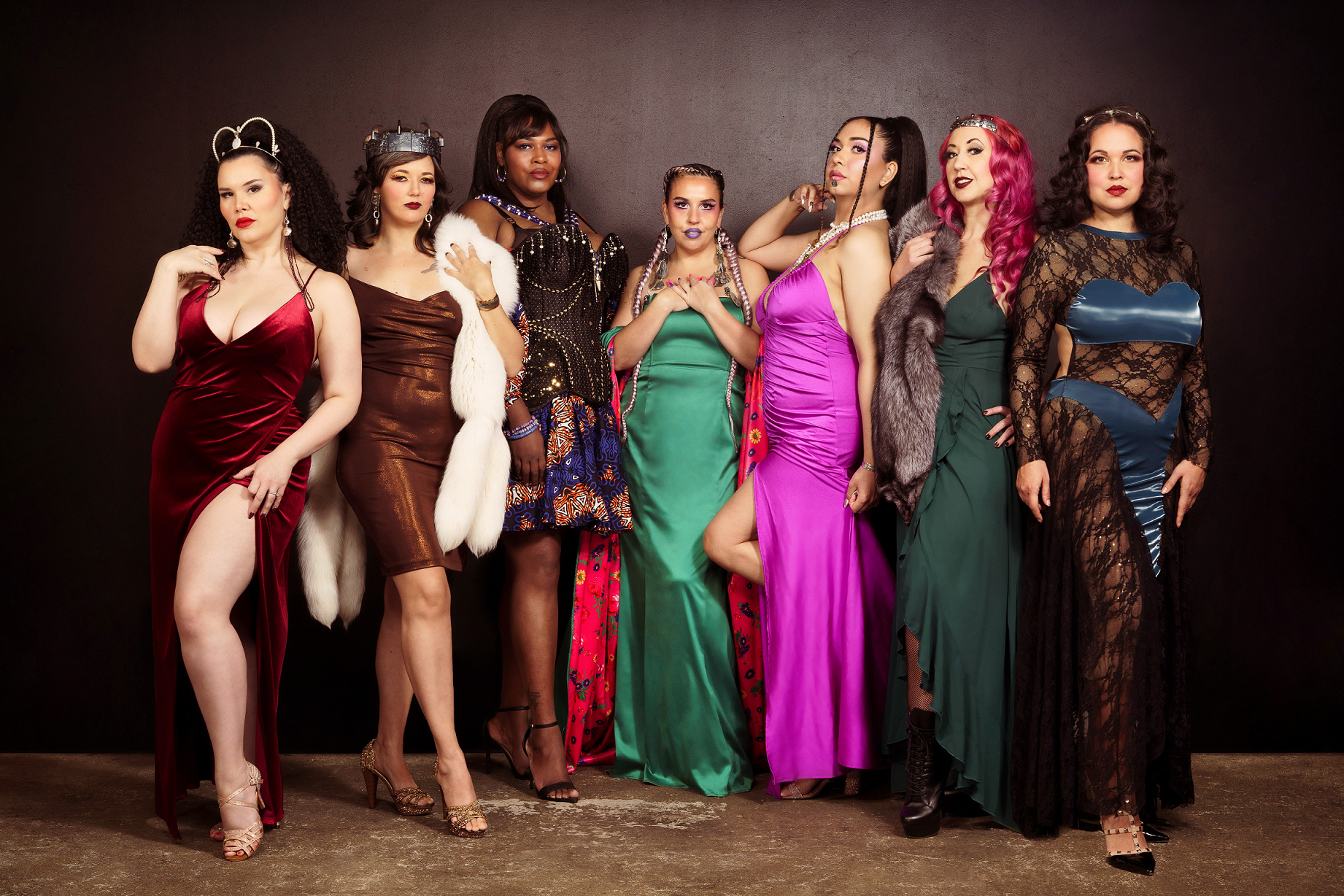
The multi-year project is funded by a Social Sciences and Humanities Research Council of Canada Insight Grant. The current phase, titled “curves spilling stories”: Embodiment, Intersectionality, and Resistance in the Work of Virago Nation, delves deeper into Indigenous responses to settler colonialism, focusing on Indigenous sexuality and the lived experiences of women, Two-Spirit, and Indigenous femme communities.
“Making art while Indigenous is hard,” says Shane Sable, convening member of Virago Nation. “We needed the opportunity to express our sexuality as a source of joy — it’s sacred, it’s ceremonial and it’s healing. When we’re dancing for you, that is medicine that heals the toxic colonial mindset.”
The initiative employs decolonial methodologies, where the focus is on collaboration, relationship-building, and ensuring that communities’ lived experiences guide the research process. A decolonial approach differs from traditional academic research by prioritizing the autonomy of Indigenous communities and recognizing them as experts in their own right. This aligns with KPU’s commitment to building relationships with Indigenous communities, centering Indigenous voices, and weaving Indigenous worldviews throughout the institution.
“Education extends beyond the walls of a university,” says Sparkle Plenty, a member of Virago Nation. “Indigenous students are often talked-at about our own histories in academic settings when so much of our history, our identities, and cultural knowledge is shared through storytelling, dance, and art by Elders and Knowledge Holders. Lived experience is a valuable teacher and through burlesque we are able to gather in ceremony and share our stories through this medium.”
The project will include a book, a digital archive and an art show, all of which are designed to further conversations on Indigenous sexuality and gender that resist colonial stereotypes. Hardwick emphasizes the importance of Indigenous women, Two-Spirit people, and femmes reclaiming their sexual agency through art and performance.
“The visual, representational aspect of burlesque is very important,” explains Hardwick. “You can write about it, but seeing it is an entirely different experience. Research creation, which combines scholarly and artistic processes, allows us to share information in different ways and capture these elements.”
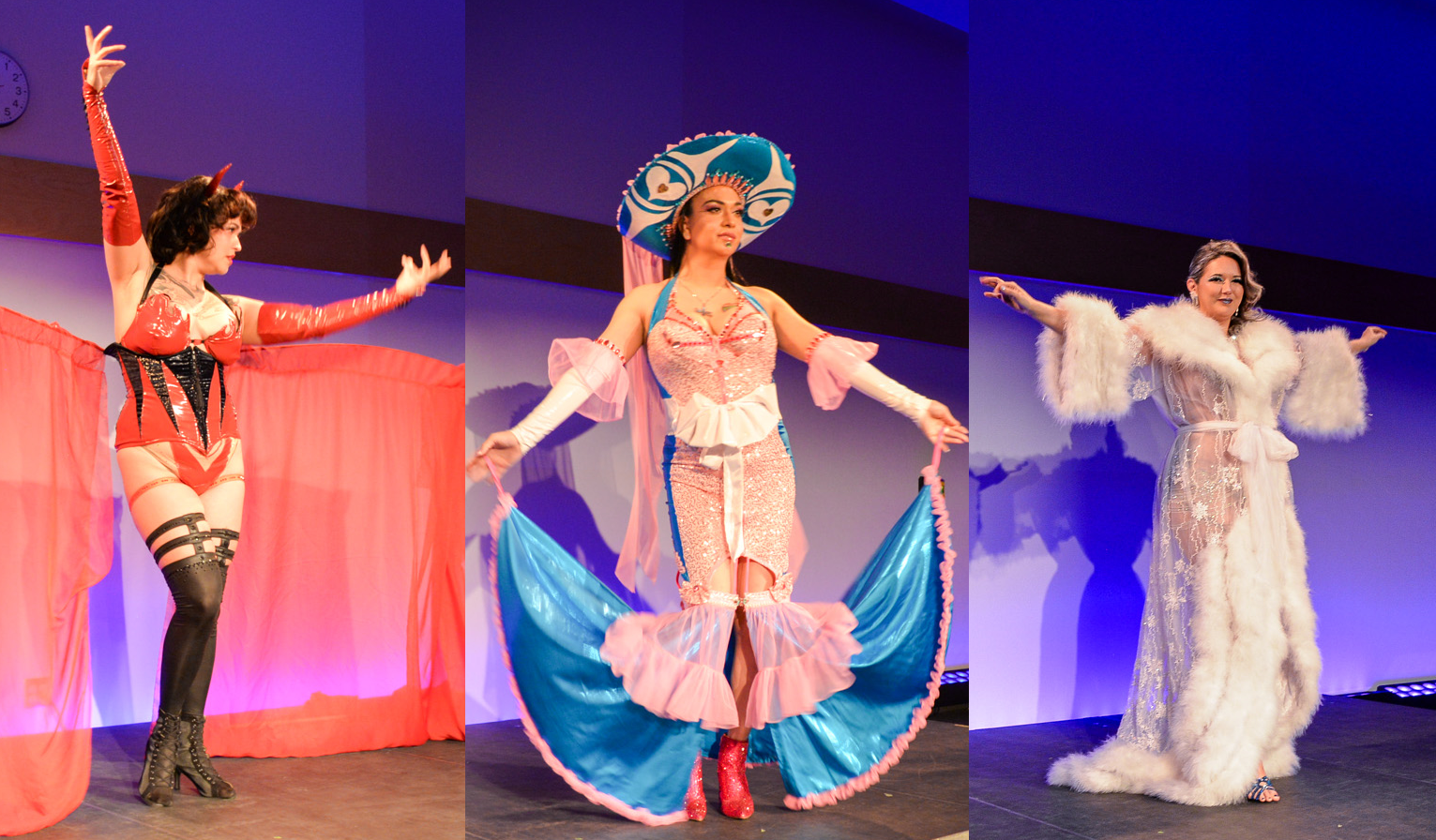
The project also provides unique opportunities for KPU students to engage in experiential learning. Students have been involved in various aspects of the project, from literature reviews to building the digital archive.
“It’s really special to get a behind-the-scenes look at Virago Nation’s work,” says KPU English student Brook Lowery, one of the research assistants working on archiving the project. “The project is very community-focused, providing a nice break from traditional academic work. I’m thinking of becoming a librarian or an archivist, so the technical knowledge I’ve gained in this project has been very helpful.”
The KPU English department provides undergraduate courses in a supportive learning environment, with small class sizes and opportunities to gain practical experience through practicums. The department offers a variety of programs, including a Bachelor of Arts, English Major, a Minor in English, and an Associate of Arts Degree in English.


