Journalism students from Kwantlen Polytechnic University [KPU] will play a key role in giving the victims of climate change a voice thanks to new funding.
It is common to hear news reports about the impacts of climate change, with ever-increasing casualty counts and infrastructure damage tipping into the billions. But too often climate politics and media reporting favour the voices of experts over victims, resulting in a lost opportunity to act on the first-person experiences of climate-change survivors.
Now, the Social Sciences and Humanities Research Council has awarded a $2.5 million grant to a University of Victoria-led project that will close that critical gap in narrative and knowledge. From Catastrophe to Community: A People’s History of Climate Change will train 500 post-secondary students and professional journalists – including journalism students from KPU – to document the experience of 1,000 survivors around the world and share their wisdom.
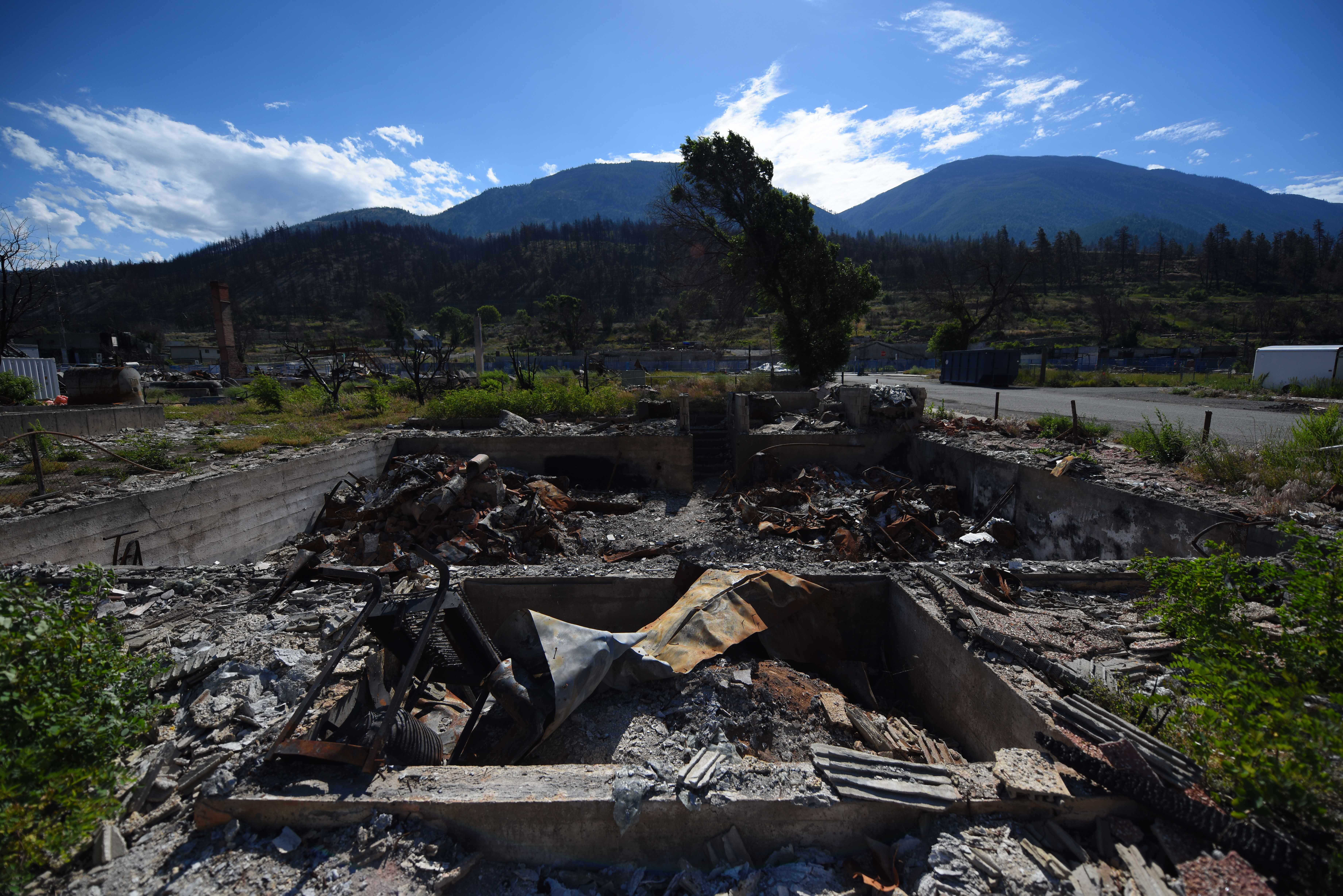
“More than 600 people died in the 2021 heat dome in B.C. That same winter, Metro Vancouver was cut off from the rest of Canada for several days after a series of atmospheric rivers hit the area, flooding our farmlands and washing out the major highways,” says KPU journalism and communications instructor, Tracy Sherlock. “Wildfires and wildfire smoke are commonplace, hitting British Columbia every summer. The hope is that climate disaster survivors' narratives can inspire change, whereas the scientific evidence can feel abstract and far off in the future.”
The project will result in the creation of documentaries with APTN Investigates, news features, an anthology and a travelling museum exhibition that will launch at Winnipeg’s Canadian Museum for Human Rights and the Museum of Vancouver. In the process, the From Catastrophe to Community team will develop new trauma-informed, human-rights-based storytelling practices that can support the recovery of communities impacted by climate change and other humanitarian crises.
“Being part of the SSHRC proposal From Catastrophe to Community will allow KPU students an opportunity to gain hands-on experience interviewing people who have survived these disasters, creating testimonies that will form a record for the future,” says Sherlock. “KPU students will practice their skills producing real world journalism that will be published and produced in various ways, as well as being paid while developing their research skills in an international partnership.”
Organizations from Brazil, Malawi, Africa, the UK, the US and other countries to be selected by project partners at Covering Climate Now and Journalists for Human Rights are part of From Catastrophe to Community. Collectively, these 27 partners have committed more than $4 million in matching contributions to the project.


