Educators can incorporate Indigenous ways of teaching and learning in their practices, according to a new online guide focused on decolonizing education practices at Kwantlen Polytechnic University (KPU).
Developed by KPU instructor Dr. Lee Beavington in collaboration with Indigenous educators and knowledge keepers, the guide is meant as a response to the xéʔelɬ KPU Pathway to Systemic Transformation and the Calls to Action outlined by the Truth and Reconciliation Commission.
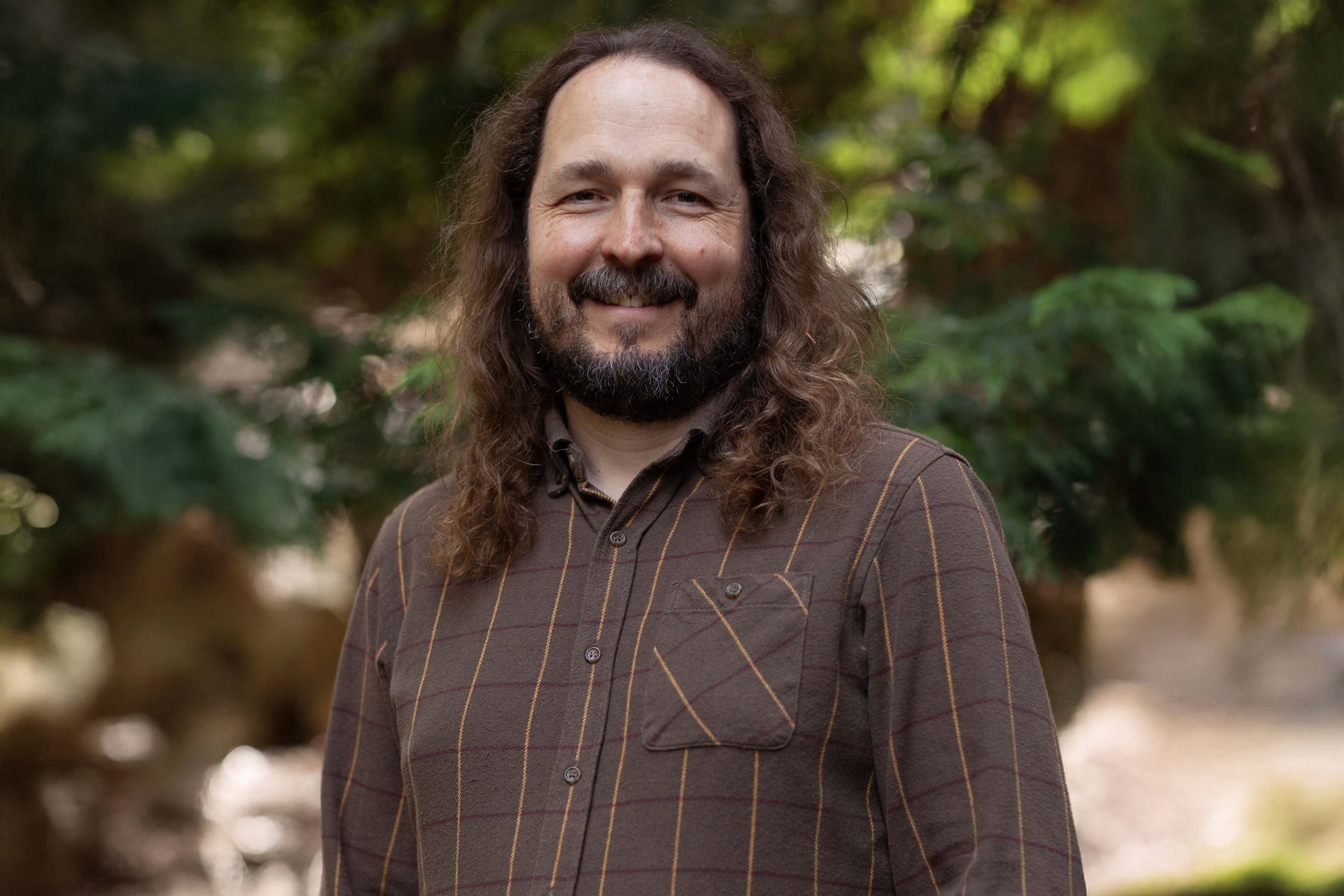
“The website is intended to be an entry point for those who want to engage in decolonial work and for anyone who wants to deepen their journey on decolonization,” says Beavington. “It’s not meant to simply be a list of links. We wanted this to be fulsome enough that you could get something out of just the website itself.”
The guide is divided into three water-themed sections, with each catering to different stages of one’s personal journey on decolonization. Headwaters provides an introduction to decolonization work, River discusses ways to expand learning and reflect on biases, and Ocean offers opportunities to engage in deeper decolonial work.
The website is personalized to KPU, with references and information related to the First Nations local to the university’s campuses. While it’s curated for those in the educational setting, it can also be helpful for administrators, staff and others.
While Beavington led the initiative, he says it was a community effort, with a gratitude page acknowledging all who were involved throughout the process.
Building on this work, Beavington is helping organize a Community of Practice — which are groups of people who share a common passion or interest — to foster an ongoing conversation around decolonization across KPU. Goals of the practice would include wider promotion of the online guide, creating learning supports personalized to Indigenous students at KPU, inviting Indigenous guest speakers to campus and more.
“We wanted to have a place where people from different disciplines can come together and share inspiration and ideas,” he says. “The Community of Practice will give people an opportunity to talk about what they're doing, have meaningful conversations, discuss what else we can do, figure out what we're still not doing enough of and more.”
To learn more about the website and how to get started on decolonizing educational practices, visit the Frequently Asked Questions page.


