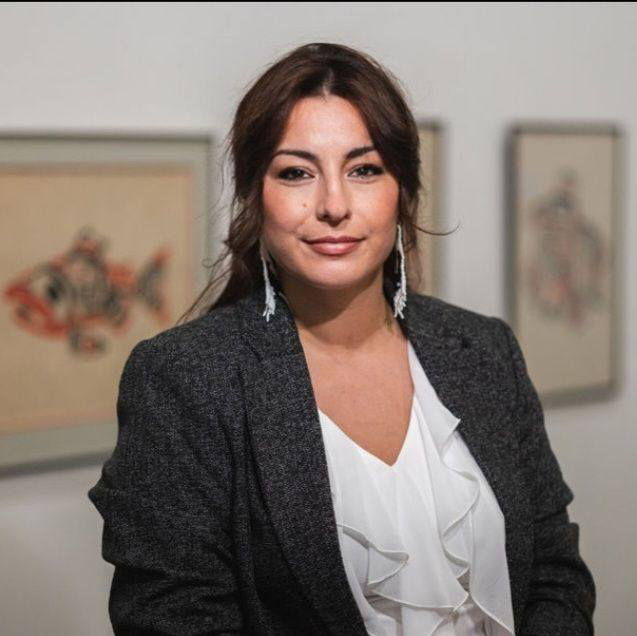
Writing is an unusual way for Indigenous people to pass down stories, but climate change is prompting a Dene activist and author to share oral histories differently.
“Today Indigenous knowledge needs to be not only shared orally but transmitted through the written word, because of the urgency of the climate crisis,” says Katłįà (Catherine) Lafferty, who is beginning a term as Indigenous Writer in Residence at Kwantlen Polytechnic University (KPU). “We must adapt new ways of getting our message across to those who need it most and incorporate the technologies that are made available to us to share our teachings for the greater good of humanity.”
From the Yellowknives Dene First Nation in Sǫ̀mbak’è, Dënéndeh (Yellowknife, NWT), Lafferty holds a law degree in Indigenous Legal Orders from University of Victoria and has written five books, including her latest, Mother Earth Is Our Elder: A Northern Indigenous Perspective on the Climate Crisis.
Mother Earth Is Our Elder, released in April 2026, brings together a diverse group of Dene Elders and knowledge carriers on the subject of climate change. From battling environmental racism on the front lines of historical environmental protests to living a balanced life through effective individual and collective governance, the Dene in Canada’s Northwest Territories are considered protectors of the environment, says Lafferty.
“I was inspired to put together the book when I realized that many of our Elders and knowledge carriers' voices were not being heard outside of gatherings and research reports. I wanted to capture the essence of my northern community and honour the contributors and all that they have to offer in terms of teachings when discussing climate change.”
Lafferty aims to honour her role as an Indigenous storyteller by creating visually compelling narratives that reflect her cultural background, upbringing and connection to community. During her term as Indigenous Writer in Residence in KPU’s Faculty of Arts, she hopes to host a pantomime theatrical production, conduct panels about climate change, mentor and inspire listeners about the art of storytelling, and be in celebration and ceremony. Lafferty will also be working on her next non-fiction book — about an uncle who went missing in the early-1980s.
“I am looking forward to connecting with students and faculty about the power of storytelling and help aspiring writers with their craft. I am also looking forward to sharing stories from the north.”


