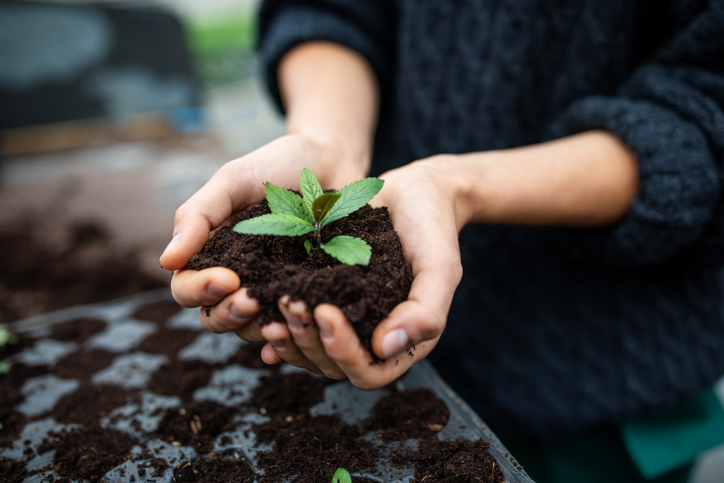
KPU’s School of Horticulture uses the Langley campus landscape as a living laboratory—a dynamic environment where students apply scientific principles and develop practical skills while contributing to the care and stewardship of our ecosystems.
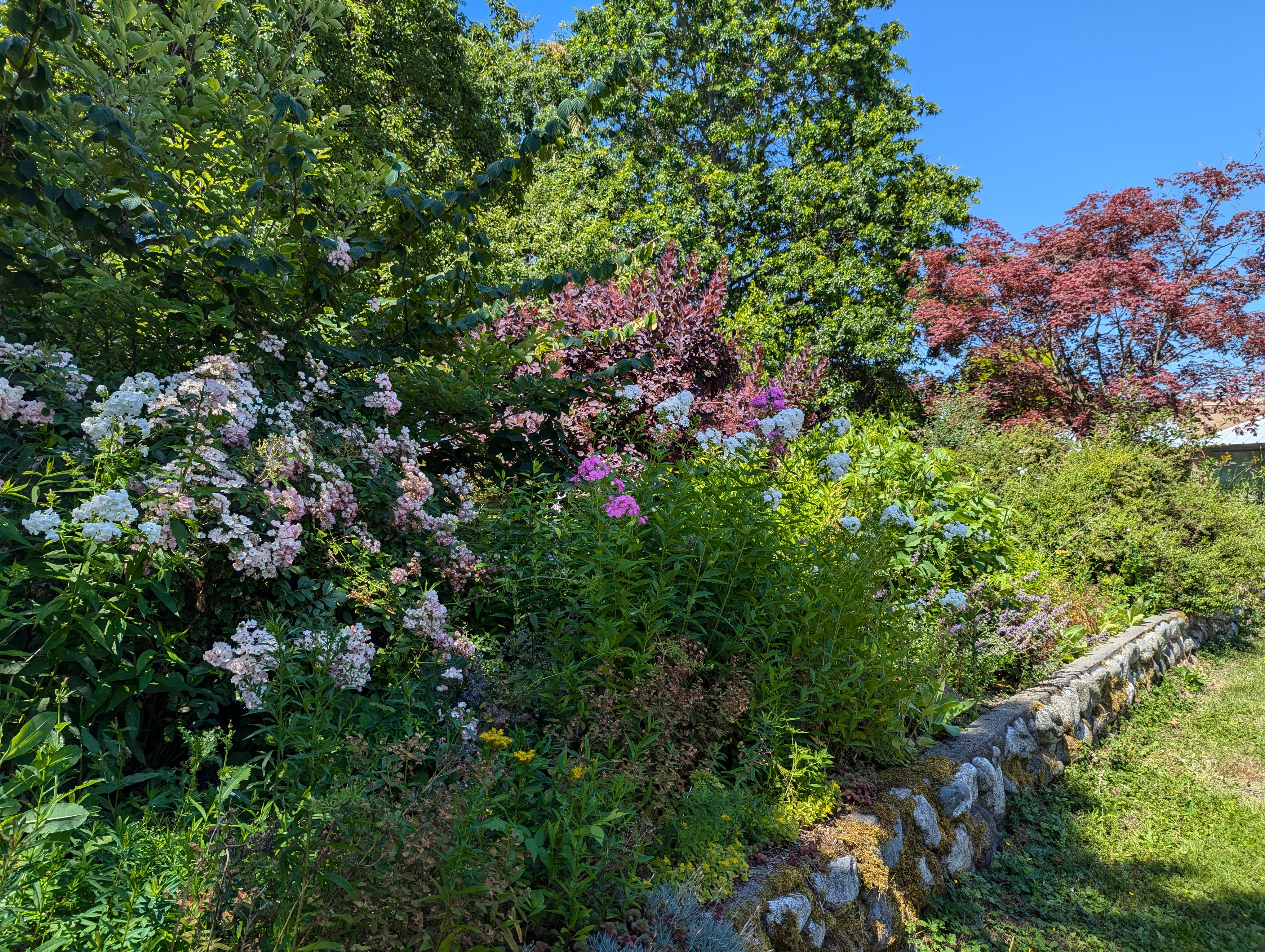
Through hands-on projects across campus, students gain experience in:
- Ecosystem monitoring, restoration, and management
- Soil characteristics, management, and preservation
- Plant identification, health assessment, propagation, and pruning
- Greenhouse and nursery production
- Sustainable landscape maintenance practices
- Water management, including irrigation, drainage, and stormwater systems Integrated pest management, including pest and disease identification, monitoring, and control methods
- Landscape design and installation
Our landscapes are constantly evolving in response to environmental conditions and the learning needs of our horticulture programs. As students and instructors undertake projects throughout the campus, you may notice areas being modified or temporarily closed. If you encounter project signage or temporary fencing, please respect these areas and follow posted directions. Stay safe and visit again later to see how the landscape has been transformed.
Past Projects
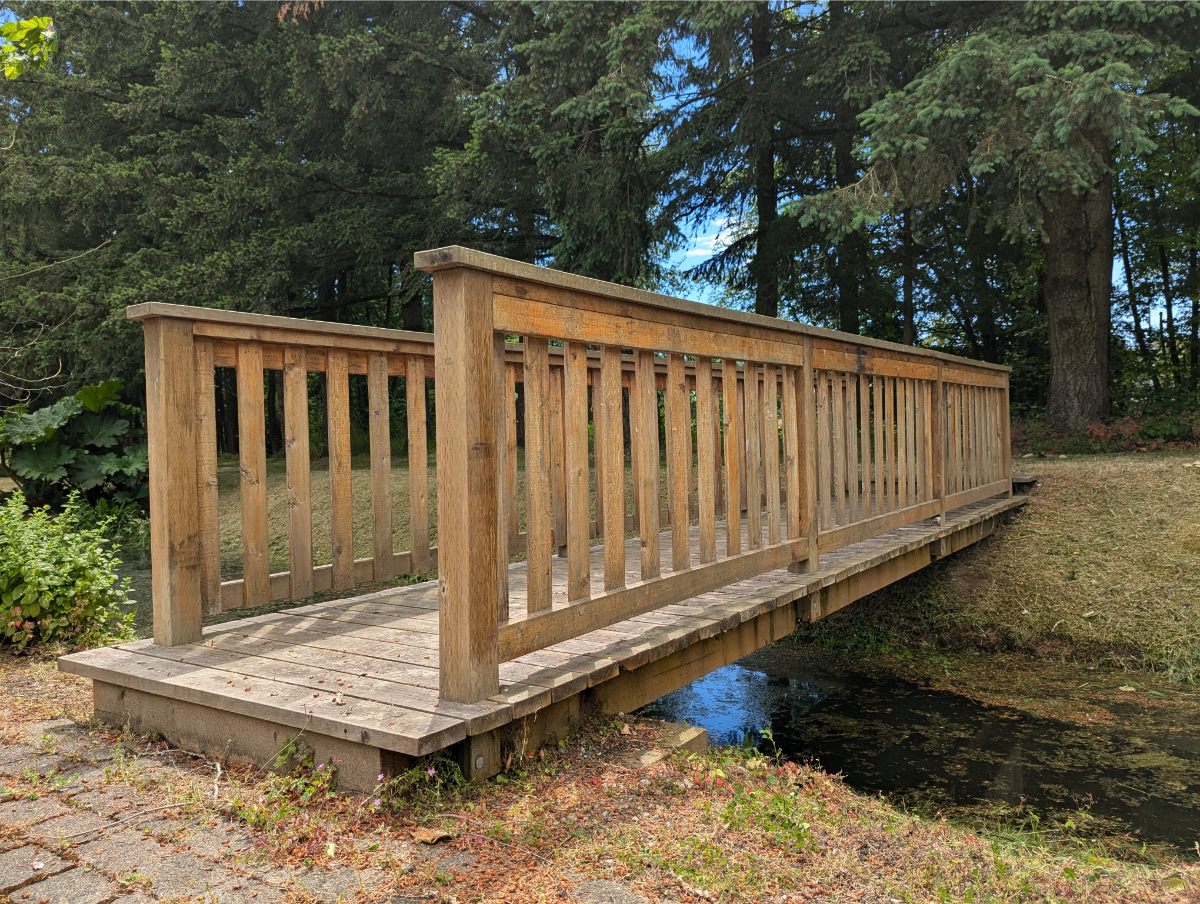
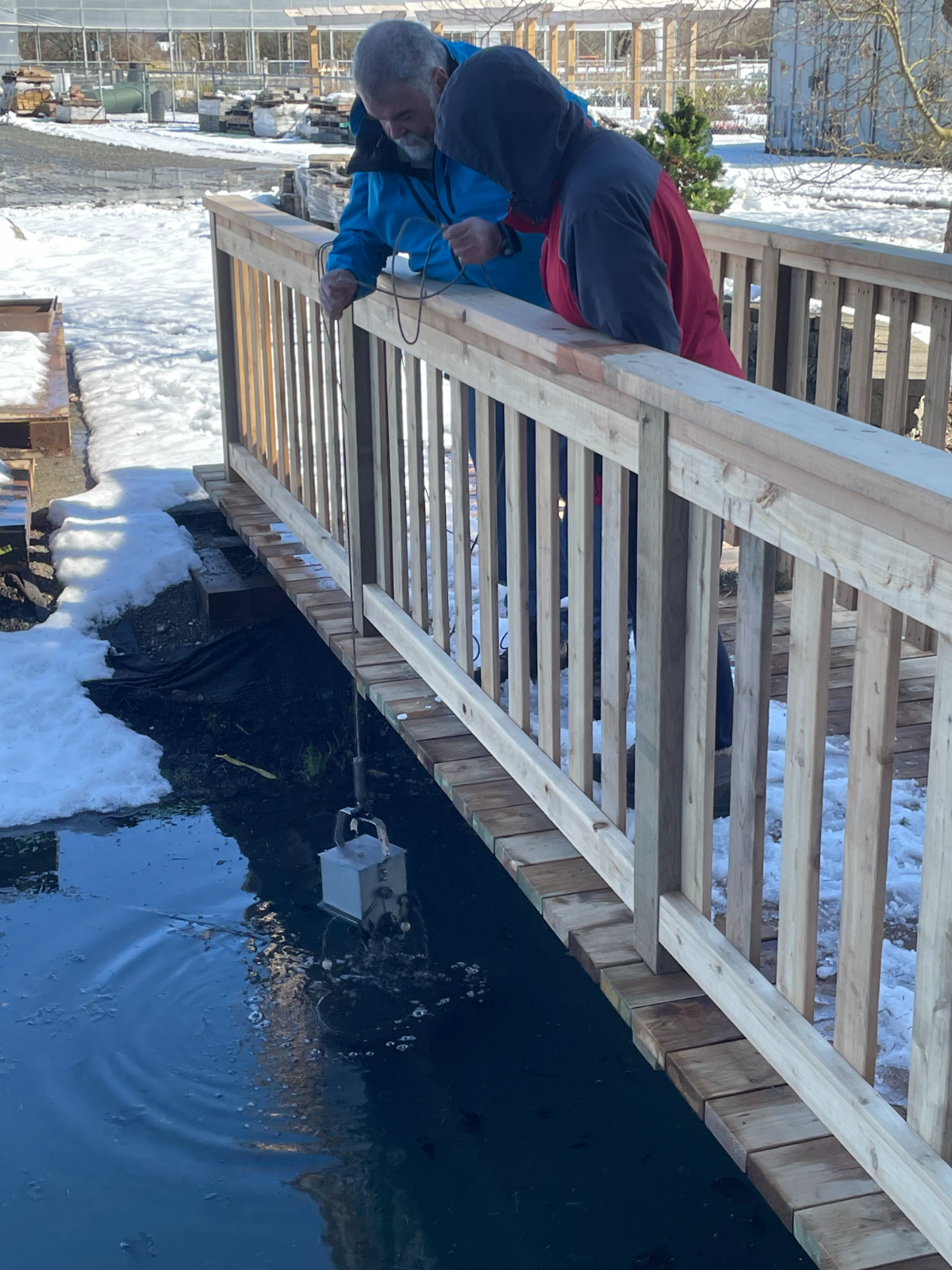
Sampling Bridge
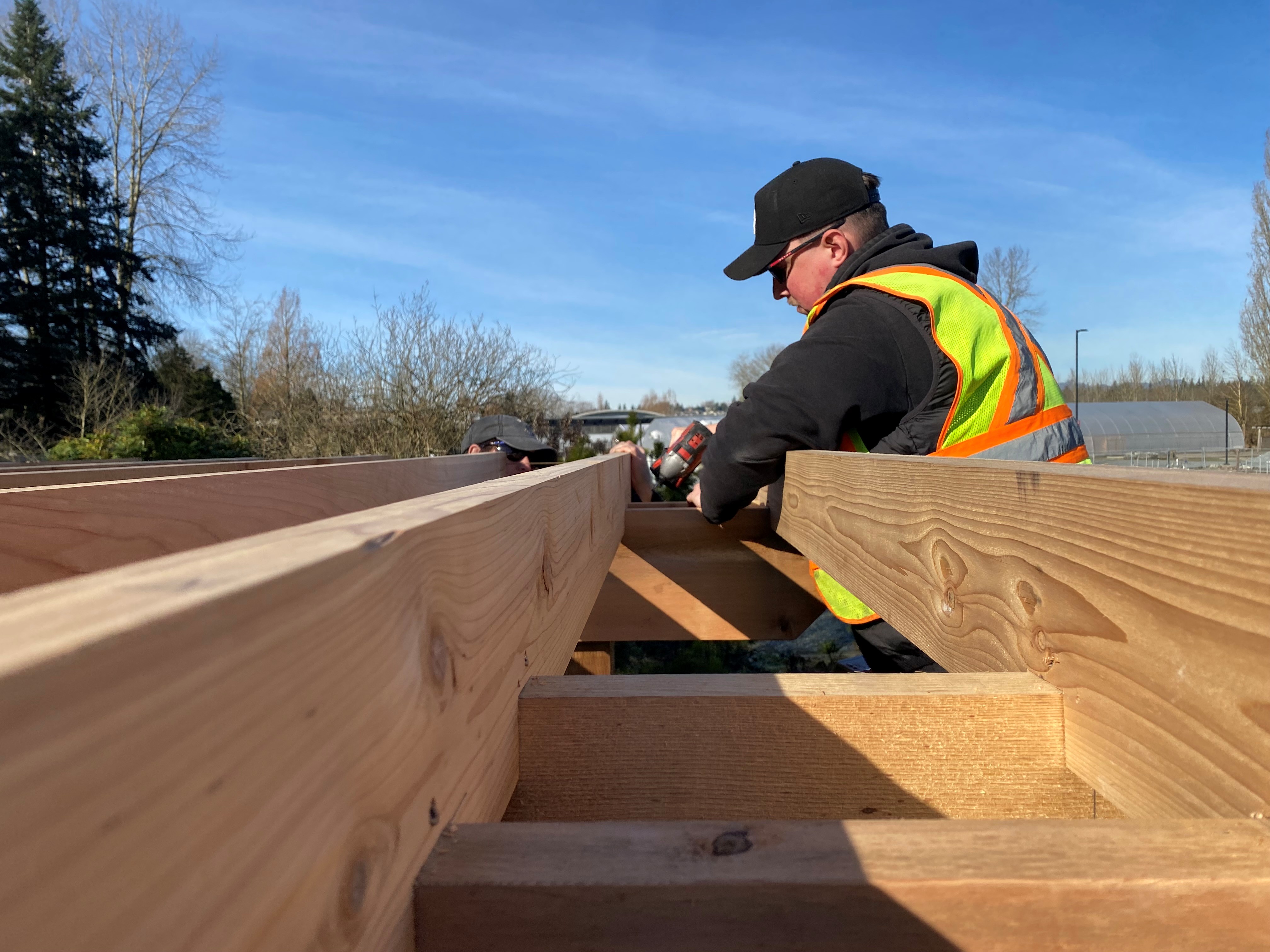
Students in landscape construction courses designed and built a bridge spanning one of our ponds, creating safe access for water and sediment sampling activities. The bridge supports ongoing environmental monitoring while providing students with valuable construction experience.
Vertical Garden
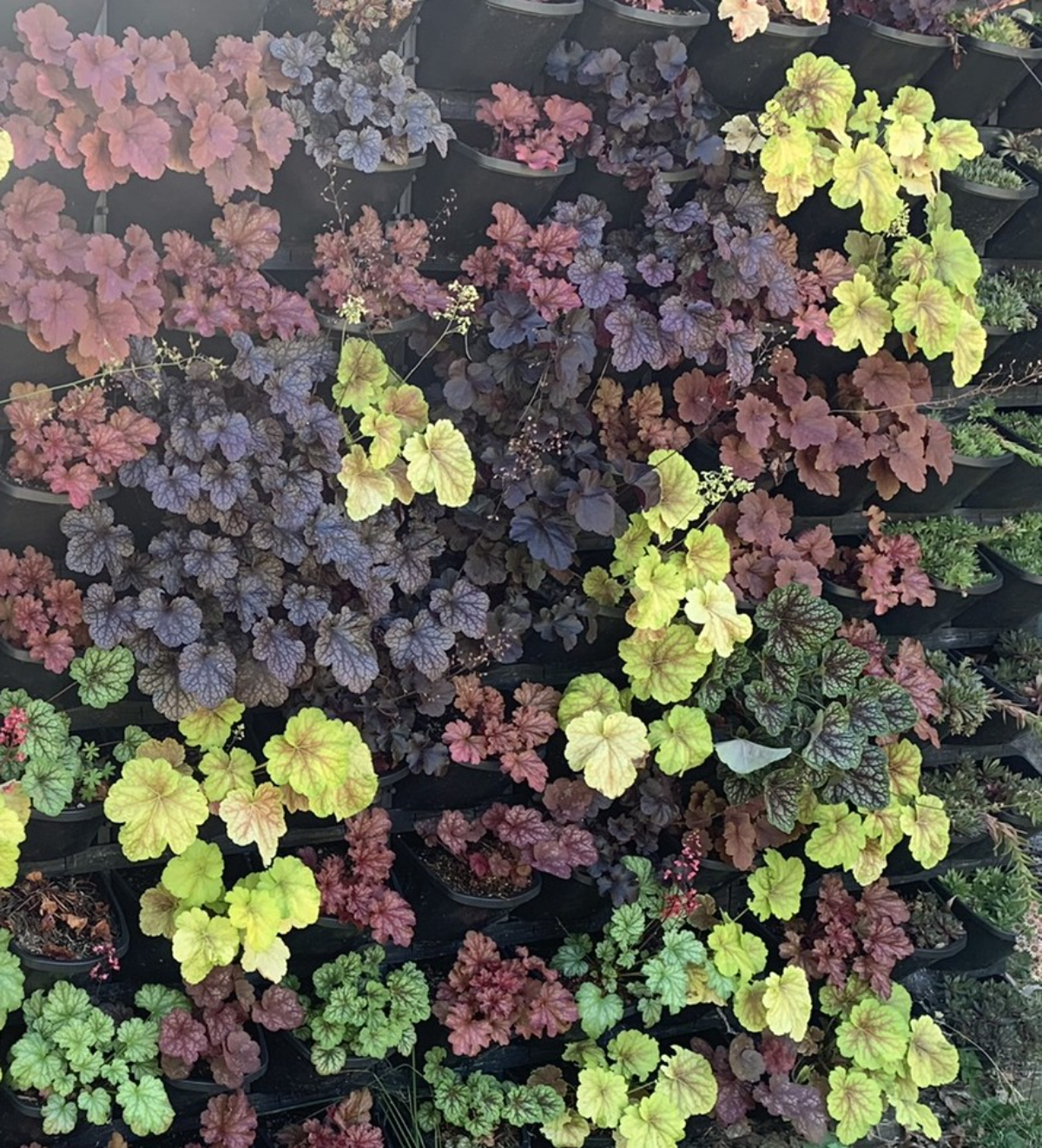
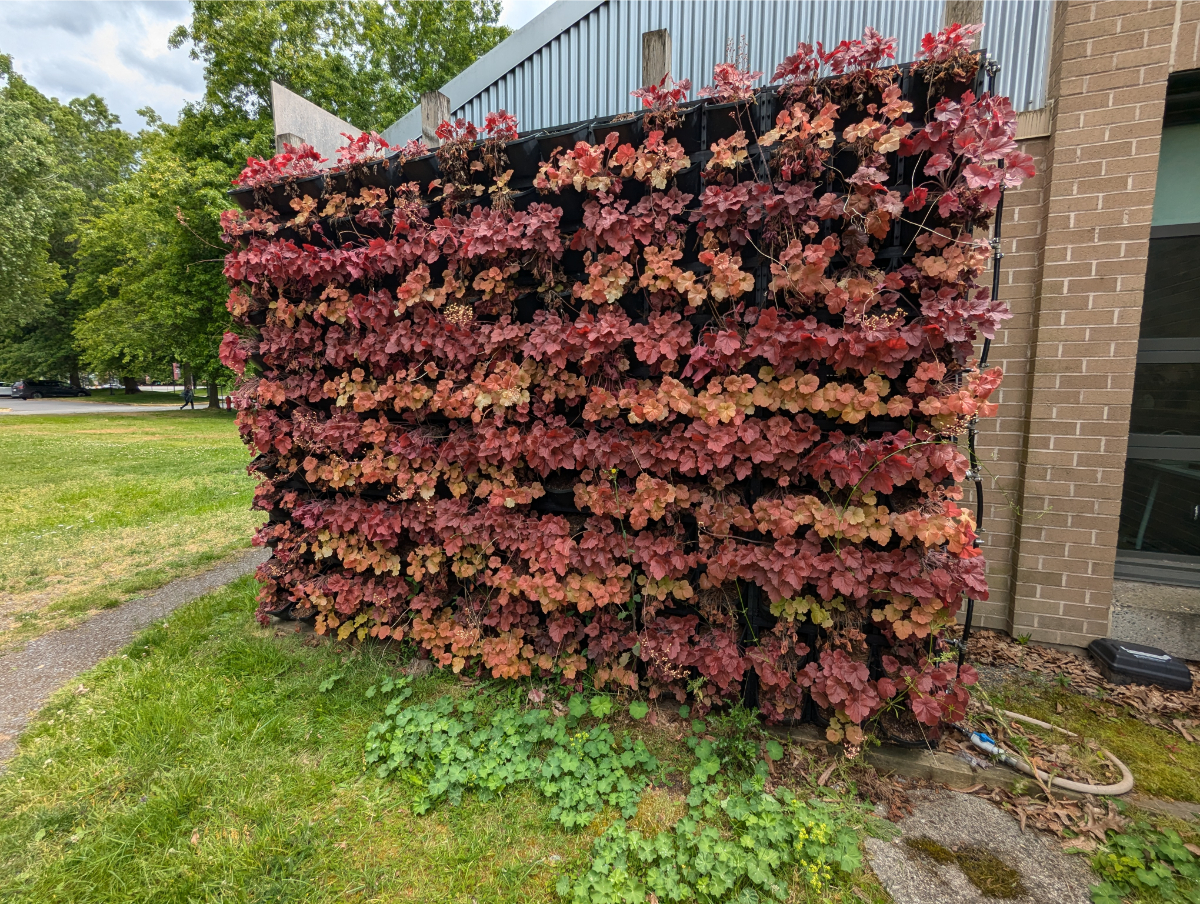
Designed and installed by the School of Horticulture in 2015, this off-grid vertical garden serves as an ongoing demonstration and research project. Over the years, students have evaluated different plant species and growing media while maintaining and refining the irrigation system each spring and fall.
The project is guided by several key principles:
- Water is a valuable resource essential to human life, health, and well-being.
- Integrating stormwater runoff into landscape design can enhance ecosystem services and help reduce flooding.
- Capturing and storing rainfall from nearby rooftops provides a sustainable water source for irrigation.
- Living walls contribute to urban biodiversity while demonstrating innovative approaches to green infrastructure.
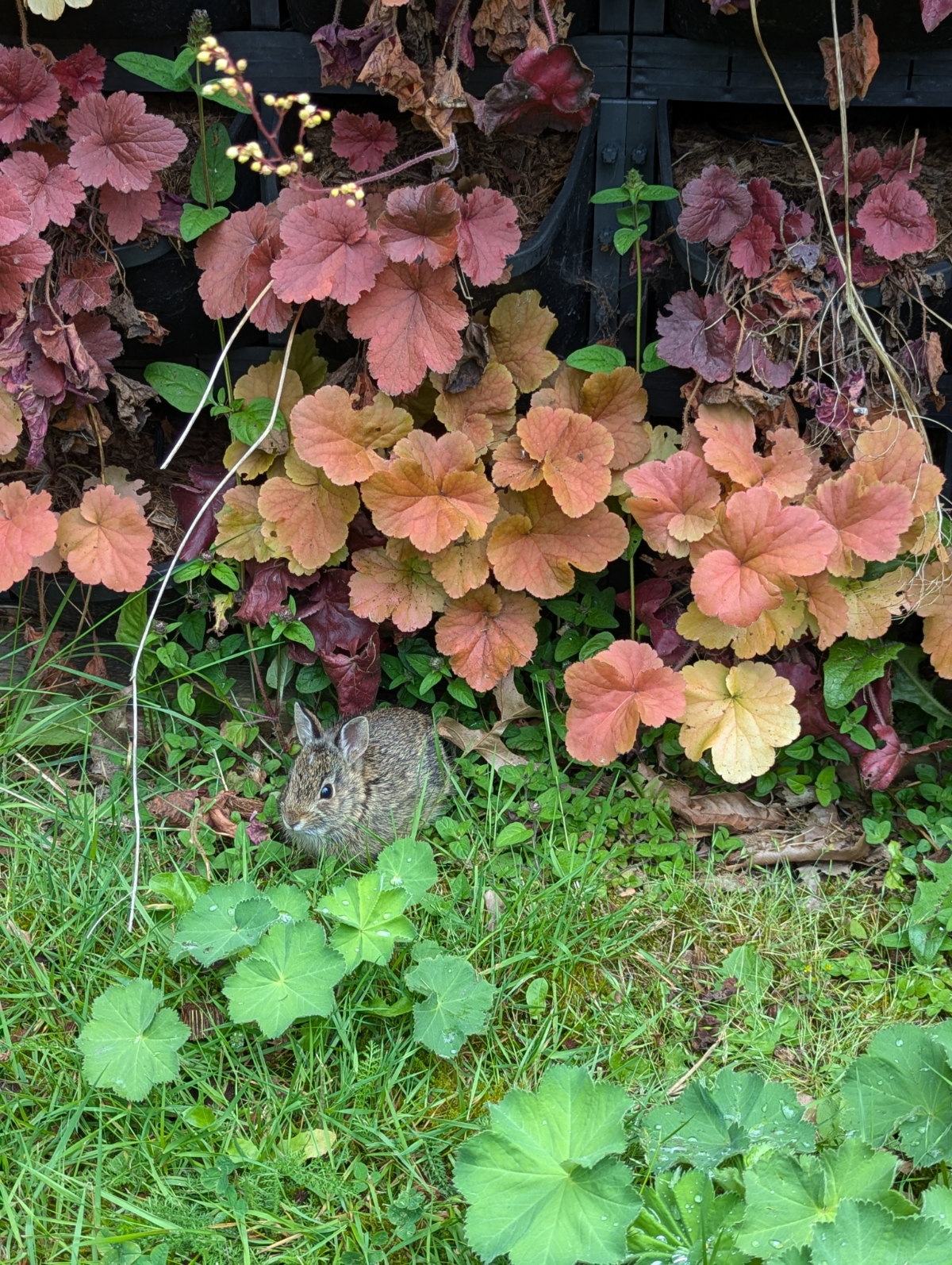
Even our furry campus visitors seem to appreciate it.
Sports Fields
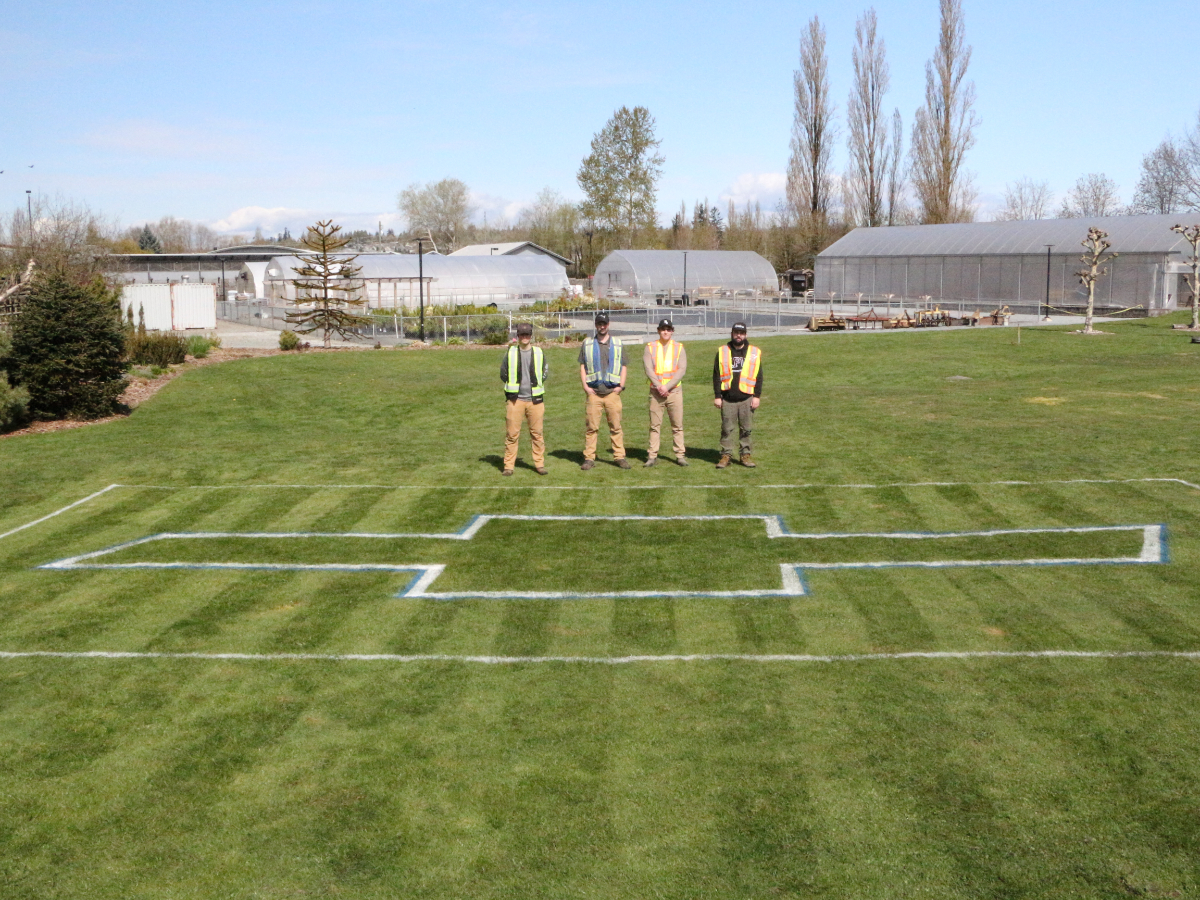
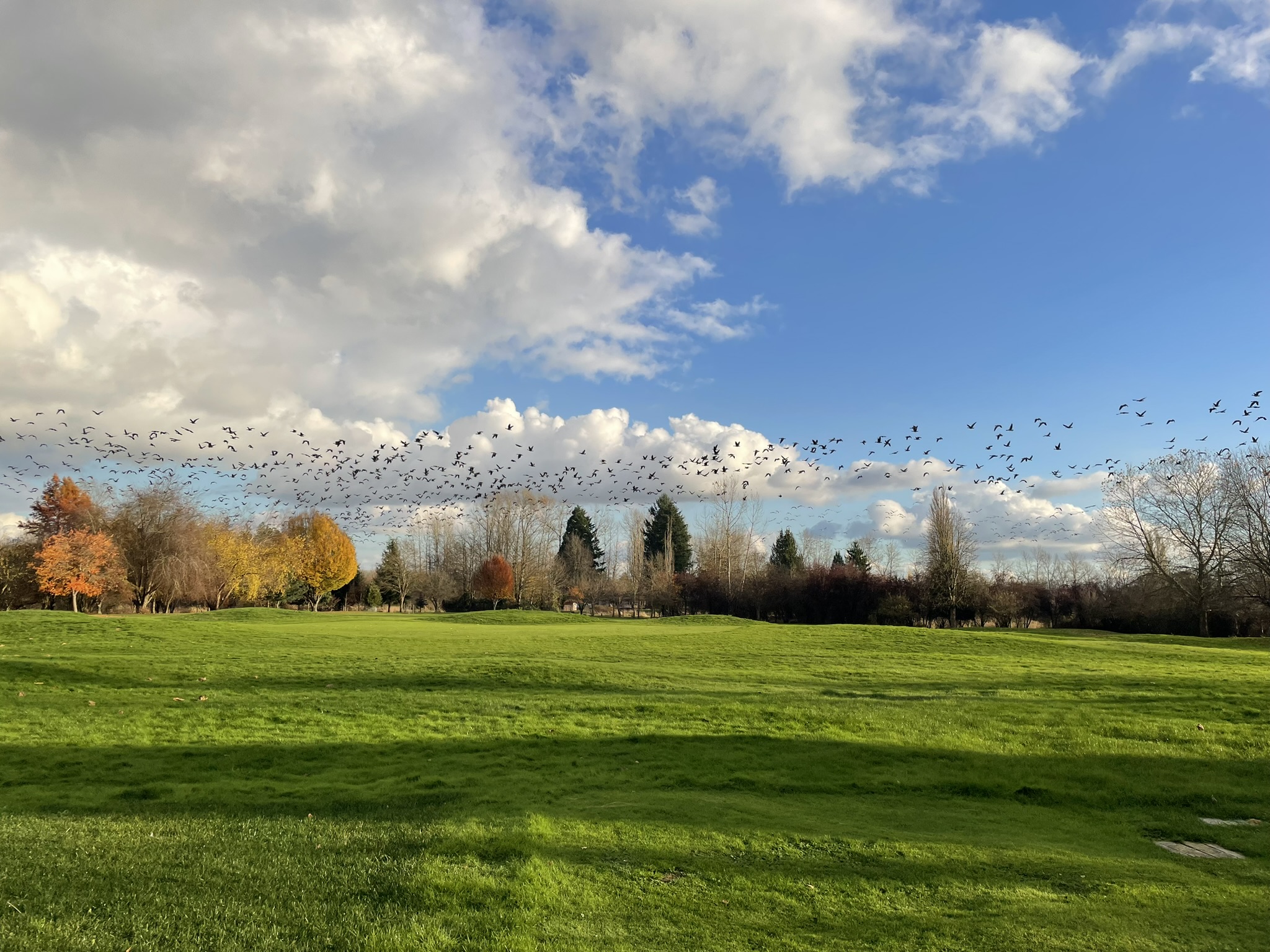
Our golf course maintenance area and other lawn spaces provide opportunities for students to learn intensive turf management practices and sports field maintenance techniques. These areas have also been used to practice large-scale logo installations similar to those seen at major sporting events.
Wood, Stone, and Concrete Block Walls
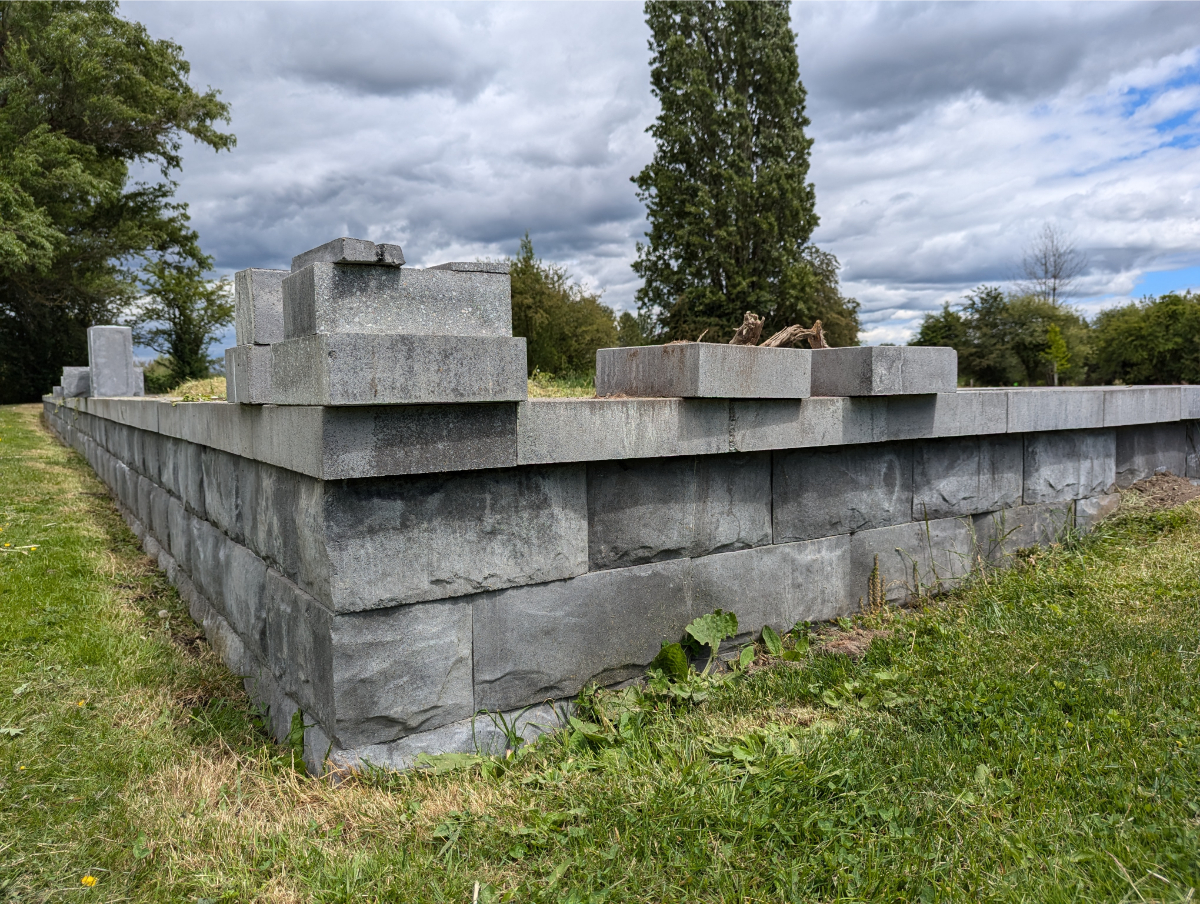
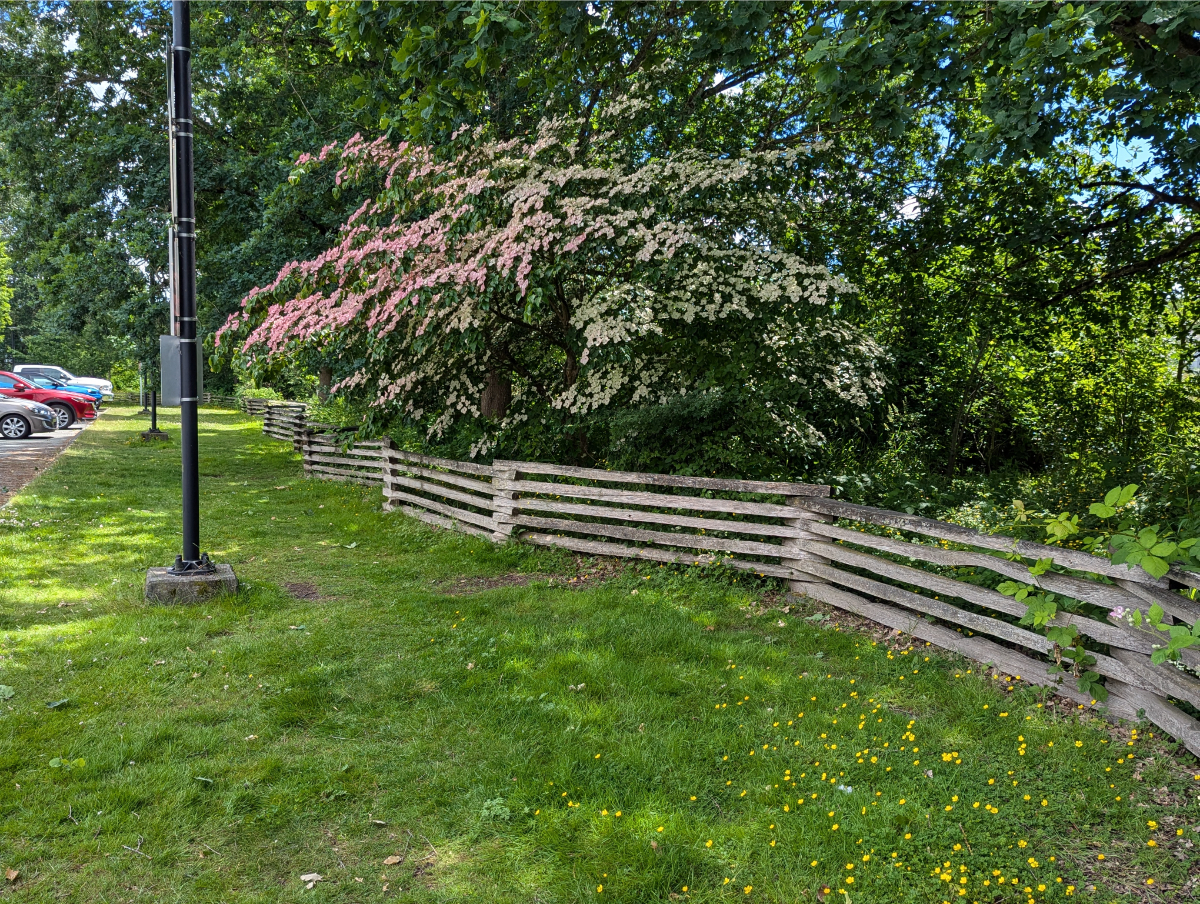
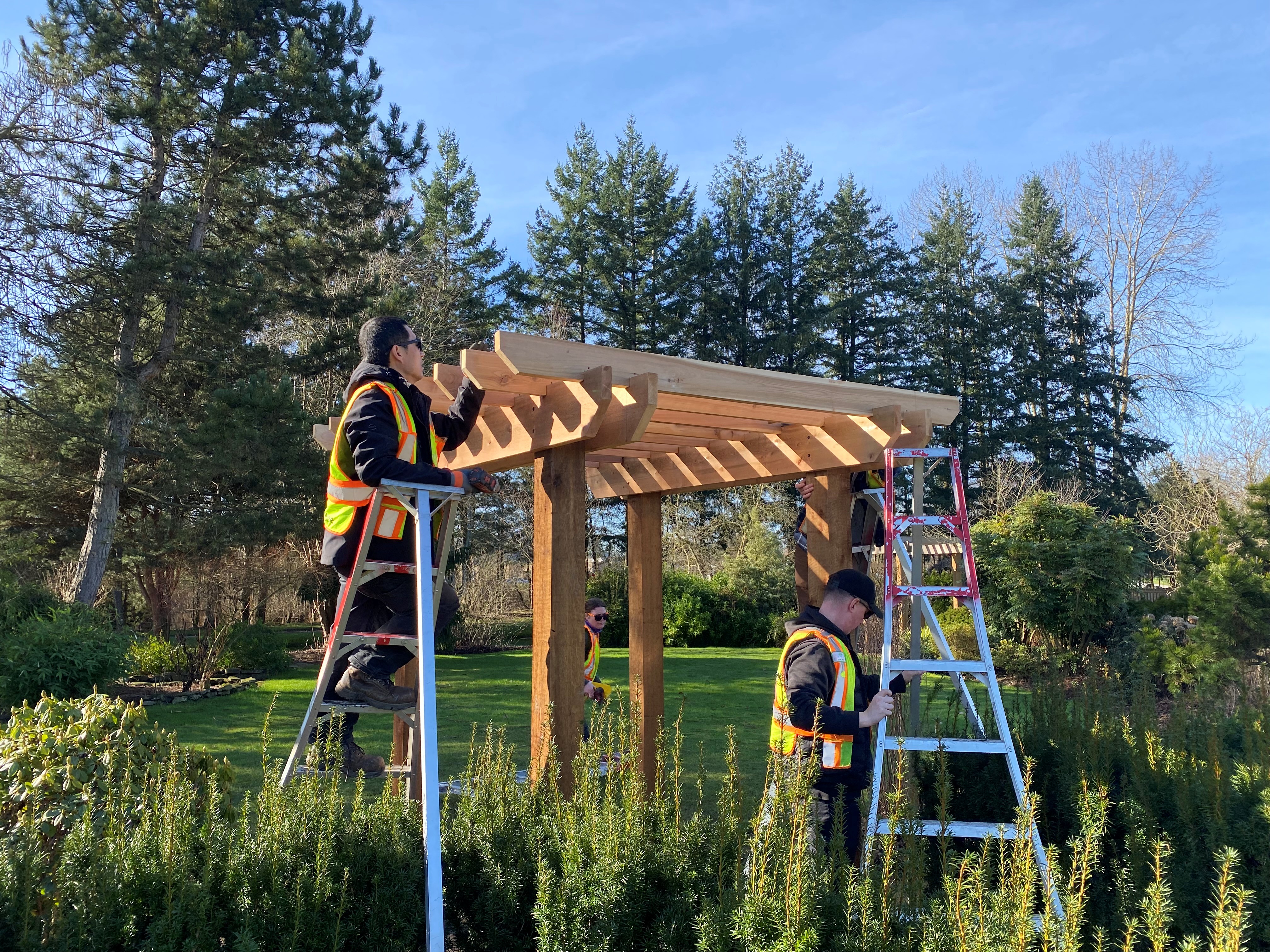
Students develop landscape construction skills through the installation of retaining walls, fences, and other landscape features. These projects enhance the campus while protecting habitat areas, improving accessibility, and creating more functional outdoor spaces.
Growing Knowledge, Growing Landscapes
The living laboratory continues to evolve through new projects, changing environmental conditions, and the curiosity of our students and instructors. Each addition to the landscape contributes to a deeper understanding of horticulture, sustainability, and the relationship between people and the natural world.
As the campus grows, so too does the opportunity to learn from it—creating a landscape that supports education, innovation, and environmental responsibility for years to come.